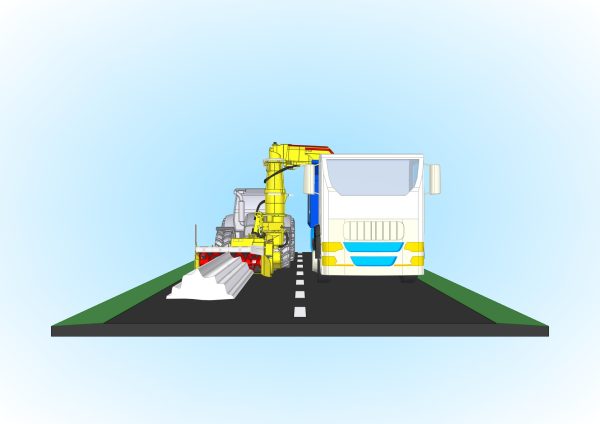

As winters become increasingly unpredictable and extreme, the snow removal industry is embracing innovative technologies to enhance efficiency and sustainability. One of the most exciting developments in this sector is snow compression technology, particularly the revolutionary Snowcuber. This forward-looking blog will explore these innovations and how they are shaping the future of snow removal.
Traditional snow removal methods, such as plowing and shoveling, are labor-intensive, time-consuming, and can be damaging to surfaces. In contrast, snow compression technology offers a more efficient and eco-friendly solution. By compressing snow into compact blocks, this technology reduces the volume of snow that needs to be transported or melted, cutting down on fuel consumption and emissions. This innovation is particularly beneficial in urban areas where space is limited, and the cost of snow disposal is high.
At the forefront of this technological shift is the Snowcuber. This cutting-edge device compresses snow into manageable blocks that can be easily stored or transported. The Snowcuber not only simplifies the logistics of snow removal but also contributes to reducing the environmental footprint of the industry. As cities and municipalities seek greener solutions, the Snowcuber is set to become a vital tool in their snow management strategies.
The Snowcuber is more than just a snow compactor; it represents a new era in snow management. This device is designed to handle large volumes of snow quickly and efficiently, making it an ideal solution for airports, city streets, and large commercial properties. By compressing snow on-site, the Snowcuber minimizes the need for frequent transportation, reducing traffic congestion and lowering operational costs.
Moreover, the compacted snow blocks produced by the Snowcuber can be stored until they melt naturally, further reducing the environmental impact. This approach aligns with the growing trend towards sustainability in the snow removal industry, where reducing carbon footprints and minimizing waste are becoming top priorities.
As the demand for efficient and sustainable snow removal solutions grows, innovations like snow compression technology and the Snowcuber are leading the way. These advancements are not only transforming how we manage snow but also setting new standards for the industry. By investing in these technologies, businesses and municipalities can ensure they are prepared for the challenges of future winters while also contributing to a greener, more sustainable world.
For more information on the latest snow removal technologies and to learn how the Snowcuber can benefit your operations, visit our products page. Stay ahead of the curve and embrace the future of snow removal today.
As winter approaches, businesses and municipalities must ensure their snow management strategies are up to the task of maintaining safe and accessible environments. The Snowcuber, with its cutting-edge snow compression technology, offers a powerful solution for enhancing the efficiency and effectiveness of winter operations. However, successfully integrating the Snowcuber into your existing strategy requires careful planning and preparation. In this blog, we’ll provide tips and best practices for seamlessly incorporating the Snowcuber into your snow management approach, ensuring you’re fully prepared when the first snowfall hits.
First and foremost, it’s crucial to assess your current snow management needs and identify areas where the Snowcuber can have the most significant impact. The Snowcuber is particularly effective in urban environments, where its ability to compress and reduce the volume of snow can help minimize disruptions and clear tight spaces more efficiently. If your current strategy relies heavily on traditional snowplow or a snowblower, consider how the Snowcuber’s capabilities can complement or replace these methods. For instance, the Snowcuber can be used for primary snow removal in high-traffic areas while traditional equipment handles secondary tasks. To learn more about the benefits of snow compression technology, check out our blog on The Science Behind Snow Compression Technology.
Once you’ve identified where the Snowcuber will be most effective, it’s essential to train your team on how to operate and maintain this advanced machinery. The Snowcuber is designed for ease of use, but proper training ensures that your team can maximize its potential while minimizing the risk of operational issues. Regular maintenance is also key to keeping the Snowcuber in top condition throughout the winter season. Establish a maintenance schedule that includes routine checks and servicing, focusing on areas such as the snow compression system and mechanical components. By proactively addressing maintenance needs, you can prevent downtime and ensure that the Snowcuber remains a reliable part of your snow management strategy. For a detailed overview of the Snowcuber’s features and maintenance tips, explore our Snowcuber MK6: A Revolution in Snow Removal Technology blog.
Finally, integrating the Snowcuber into your snow management strategy involves coordinating its use with other winter operations, such as snow disposal and transportation logistics. The Snowcuber’s ability to compress snow into dense blocks means that fewer trips are needed to transport snow to disposal sites, reducing fuel consumption and overall operational costs. Consider how the Snowcuber can be deployed alongside other snow removal equipment to optimize efficiency and reduce environmental impact. Additionally, planning your snow removal routes and schedules to take advantage of the Snowcuber’s capabilities can further streamline operations and improve overall effectiveness. By strategically incorporating the Snowcuber into your winter strategy, you can enhance your snow management efforts and ensure a safer, more efficient winter season.
When it comes to snow removal, efficiency, cost-effectiveness, and environmental impact are critical factors to consider. Traditional snow blowers have been a go-to solution for many years, but as technology advances, so do the options available for snow management. The Snowcuber, with its innovative snow compression technology, represents a significant leap forward in snow removal efficiency. This blog compares the Snowcuber to traditional snow blowers, illustrating why the Snowcuber is the superior choice for modern snow management needs.
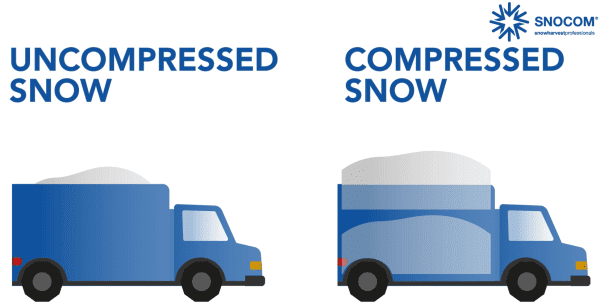
Traditional snow blowers function by gathering snow and forcefully ejecting it to the side, creating piles that often need to be moved or managed later. While this method clears surfaces, it can be labor-intensive and inefficient, especially during heavy snowfall. The Snowcuber, on the other hand, takes a different approach by compressing snow into compact, manageable blocks as it collects it. This snow compression process drastically reduces the volume of snow, making it easier to handle, transport, and store. The Snowcuber MK6, for instance, can reduce snow volume by up to 80%, which means fewer trips to disposal sites and lower fuel consumption, translating into significant time and cost savings. For urban environments where space is at a premium, this efficiency makes the Snowcuber an invaluable tool.
Another key advantage of the Snowcuber over traditional snow blowers is its environmental impact. Snow blowers, especially those powered by fossil fuels, contribute to air pollution and greenhouse gas emissions. They also require multiple passes to manage large snowfalls, further increasing their environmental footprint. In contrast, the Snowcuber’s compression technology minimizes the need for repeated clearing and reduces the frequency of transportation, leading to a smaller carbon footprint. This makes the Snowcuber not only a more efficient choice but also a more sustainable one. For organizations and municipalities looking to reduce their environmental impact, the Snowcuber offers a greener alternative without compromising on performance. To learn more about the environmental benefits of snow compression, check out our blog on The Environmental Impact of Snow Compression.
Finally, the Snowcuber offers superior versatility and reliability compared to traditional snow blowers. Designed to handle a variety of snow conditions, from light dustings to heavy accumulations, the Snowcuber is built for consistent performance even in the harshest winter environments. Its robust design and advanced technology reduce the likelihood of breakdowns and maintenance issues, ensuring that it remains operational when you need it most. For businesses and cities that cannot afford downtime during winter storms, the Snowcuber provides peace of mind with its reliable and efficient operation. Additionally, the Snowcuber’s ability to manage snow in tight, urban spaces makes it an ideal solution for city streets, parking lots, and other confined areas where traditional blowers may struggle.
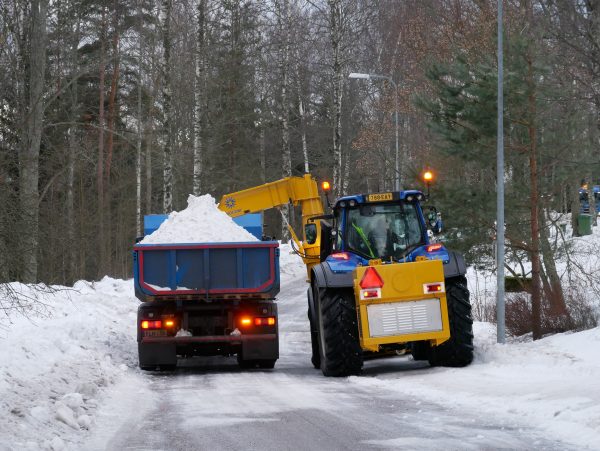
Helsinki, Finland, is known for its harsh winters, where heavy snowfall can disrupt daily life and pose significant challenges for urban management and snow removal management. Ensuring that the city remains functional and safe during winter months requires an effective and efficient snow management system. This is where Stara, Helsinki’s construction service and maintenance company, decided to innovate by incorporating Snocom’s Snowcuber into their snow management operations. This case study explores how the Snowcuber transformed snow management in Helsinki, leading to improved efficiency, reduced environmental impact, and enhanced public safety.
Before the introduction of the Snowcuber, Helsinki relied on traditional snowplows and blowers, which often struggled to keep up with the city’s snow removal needs. These methods involved frequent clearing operations that resulted in large, cumbersome snow piles across the city, taking up valuable urban space and requiring additional resources to transport the snow to disposal sites. The Snowcuber offered a revolutionary solution by compressing snow into dense, manageable blocks, drastically reducing its volume. This made the snow easier to transport and reduced the number of trips needed, leading to significant cost savings and lower fuel consumption. Stara reported that the Snowcuber increased their snow removal efficiency by over 40%, allowing them to clear streets and public spaces more quickly and effectively.
In addition to operational efficiency, the Snowcuber also brought substantial environmental benefits to Helsinki’s snow management strategy. Traditional snow removal methods in the city were associated with high levels of greenhouse gas emissions due to the need for repeated clearing and extensive snow transportation. By compressing the snow, the Snowcuber reduced the frequency of these activities, resulting in lower emissions and a smaller carbon footprint. This aligns with Helsinki’s broader sustainability goals and has positioned the city as a leader in environmentally responsible urban management. For other cities facing similar challenges, the success of the Snowcuber in Helsinki provides a compelling case for adopting this innovative technology. To learn more about the Snowcuber’s technical features and how it compares to other models, visit our detailed Snowcuber MK6 and product pages.
The success of the Snowcuber in Helsinki is a testament to its potential to transform snow management practices in urban environments. By combining efficiency, sustainability, and innovation, the Snowcuber has set a new standard for how cities can manage snow more effectively. Stara’s experience demonstrates that investing in advanced snow management technology is not just a practical decision but a strategic one that can yield significant long-term benefits. As more cities look to improve their winter operations, the Snowcuber stands out as a proven solution that can meet the demands of even the most challenging environments.
05730c70-0214-49fe-8004-31d137fdbac9
As we move into 2024, winter management is experiencing a significant shift, with snow compression technology emerging as a key trend. This innovation is changing how municipalities, businesses, and residential areas handle heavy snowfall, offering a more efficient and sustainable approach to snow management. Here’s an in-depth look at why snow compression is gaining momentum and what this trend means for the future of winter management.
The primary driver behind the growing adoption of snow compression technology is its ability to enhance efficiency in snow management. Traditional methods of snow removal often result in large, cumbersome piles of snow that occupy valuable space and require additional resources for removal. Snow compression technology addresses this challenge by compacting snow into dense, manageable blocks. This compression reduces the overall volume of snow, making it easier to store and transport, and significantly decreases the time and effort required to clear large areas. For businesses and municipalities facing increasingly heavy snowfalls, this efficiency is a game-changer. For more on how efficiency is reshaping snow management, check out our Compact Snowcuber.
In addition to efficiency, snow compression technology offers notable environmental benefits, making it a popular choice in an era where sustainability is paramount. Compressed snow occupies less space, reducing the environmental footprint of snow disposal sites and minimizing the risk of runoff and pollution from melting snow. This space-saving benefit is particularly valuable in urban areas, where land is at a premium, and snow storage poses a logistical challenge. Moreover, many snow compression systems are designed to be energy-efficient, aligning with the growing demand for eco-friendly winter management solutions.
The rise of snow compression technology is also being fueled by significant technological advancements and a corresponding increase in market demand. Recent innovations have made these systems more accessible, reliable, and user-friendly, with features like automated controls, real-time data monitoring, and enhanced durability. These advancements not only improve the functionality of snow compression systems but also broaden their appeal to a wider range of users, from large municipalities to small businesses. As the market for snow compression technology continues to grow, it’s clear that this trend is here to stay.
In conclusion, the increasing adoption of snow compression technology in 2024 reflects a broader trend towards more efficient, sustainable, and technologically advanced winter management solutions. As the challenges of snow removal continue to evolve, the benefits of snow compression make it an essential tool for those looking to stay ahead of the curve.
Winter weather often poses significant challenges in high-traffic areas, where safety is a major concern. The Compact Snowcuber emerges as a key player in addressing these challenges, with features designed to enhance safety and manageability in bustling environments. Here’s a look at how this innovative snow removal equipment makes winter conditions safer for both pedestrians and vehicles.
1. Precision Snow Removal
The Compact Snowcuber excels in precision snow removal, a critical factor in high-traffic areas. Its advanced maneuverability allows it to operate in tight spaces, ensuring that sidewalks, crosswalks, and narrow roadways are thoroughly cleared. Equipped with a sophisticated snowplow system and adjustable blades, it removes snow with high accuracy, minimizing the risk of ice formation and ensuring a clear path. This precision is crucial in preventing accidents and ensuring smooth pedestrian and vehicle movement.
2. Enhanced Visibility Features
Visibility is often compromised during snowstorms, which can be dangerous in busy areas. The Compact Snowcuber addresses this issue with built-in visibility enhancements, including high-intensity LED lights and reflective markings. These features ensure that the machine is highly visible to both pedestrians and drivers, reducing the likelihood of collisions. The integration of these safety measures is part of a broader strategy to improve overall safety in snowy conditions.
3. Efficient Snow Displacement
Efficient snow displacement is another area where the Compact Snowcuber shines. Its innovative snow chute and compaction system effectively manage and redistribute snow, preventing it from piling up in high-traffic areas. By controlling where and how snow is displaced, the Compact Snowcuber helps avoid creating hazardous snowbanks that can obstruct visibility and movement. This system is particularly beneficial in urban environments where space is limited and efficient snow management is crucial.
The Compact Snowcuber’s ability to enhance safety in high-traffic areas is a testament to its design and functionality. By ensuring precision snow removal, improving visibility, and managing snow displacement effectively, it provides a comprehensive solution to winter safety challenges.
Snow compression technology is revolutionizing the way we think about snow management, offering a more efficient and sustainable alternative to traditional snow removal methods. At its core, this technology is based on the principle of compressing snow into compact, dense blocks, which reduces its volume and makes it easier to handle, transport, and store. But how exactly does this technology work, and why is it poised to become the future of snow management? To answer these questions, we need to dive into the science behind snow compression.
The process of snow compression involves collecting snow and subjecting it to high pressure, which forces the air out and compresses the snow into solid, dense blocks. This is achieved using specialized machinery, such as the Snowcuber MK6, which is equipped with powerful compressors and compactors. Unlike traditional snowplows and blowers that simply move or pile snow, these machines take it a step further by significantly reducing the snow’s volume. By compressing the snow, the machine can handle larger quantities in a single operation, making the overall snow removal process more efficient. This not only speeds up the clearing process but also reduces the physical space required to store or dispose of the snow.
The benefits of snow compression technology extend far beyond operational efficiency. One of the most significant advantages is its positive impact on the environment. Traditional snow removal methods often require multiple passes and extensive transportation, leading to high fuel consumption and increased greenhouse gas emissions. Snow compression technology, on the other hand, minimizes the number of trips needed to transport snow by reducing its volume. This results in lower fuel usage, reduced emissions, and a smaller carbon footprint. For municipalities, businesses, and organizations striving to meet sustainability goals, adopting snow compression technology is a step in the right direction. To explore how this technology is applied in our latest models, such as the Compact Snowcuber, visit our detailed product pages.
In conclusion, snow compression technology represents a significant advancement in the field of snow management, combining efficiency with environmental responsibility. By understanding the science behind it, we can better appreciate the transformative impact it has on how we deal with snow in urban environments. As the demand for more effective and sustainable snow management solutions continues to grow, snow compression technology will undoubtedly play a central role in shaping the future. For those looking to stay ahead of the curve, embracing this technology is not just an option—it’s a necessity.
As winter weather becomes increasingly unpredictable, the demand for efficient snow removal solutions has never been higher. For decades, traditional snowplowing machine, snow throwers and snow blowers have been the go-to tools for clearing roads, sidewalks, and parking lots. While these methods have served their purpose, they come with significant limitations, particularly in urban environments where space is limited, and quick clearance is essential. Enter the Snowcuber—a revolutionary machine that utilizes snow compression technology to redefine how we manage snow. Unlike traditional snowplows, which simply move snow from one place to another, the Snowcuber compresses snow into compact blocks, offering a range of benefits that make it the superior choice for modern snow removal.
One of the key advantages of the Snowcuber over traditional snowplows is its ability to significantly reduce the volume of snow that needs to be transported or stored. Traditional methods often result in large, cumbersome piles of snow that take up valuable space and require additional resources to move. The Snowcuber, however, compresses snow into dense blocks, reducing its volume by up to 80%. This not only frees up space in urban areas but also reduces the number of trips needed to transport snow, leading to lower fuel consumption and operational costs. For cities and businesses looking to streamline their snow management processes, the Snowcuber’s compression technology offers a clear advantage.
Moreover, the environmental impact of snow removal is a growing concern, and this is where the Snowcuber truly shines. Traditional snowplows and blowers are often associated with high fuel consumption and emissions due to the need for multiple passes and extensive transportation. In contrast, the Snowcuber’s compression technology minimizes the need for repeated clearing and reduces the frequency of snow transport. This translates into lower greenhouse gas emissions and a reduced carbon footprint. For organizations aiming to meet sustainability goals, the Snowcuber provides a solution that is both effective and environmentally responsible. To learn more about the Snowcuber’s innovative features, check out our detailed Snowcuber MK6 and Compact Snowcuber product pages.
Winter presents significant challenges for cities, airports, and industrial facilities, where efficient snow removal is critical to maintaining safe and operational environments. Traditional snow removal equipment, such as plows and blowers, has long been the standard, but they often fall short in terms of efficiency and environmental impact. The Snowcuber MK6, Snocom’s latest innovation, represents a significant leap forward in snow removal technology, offering a comprehensive solution that addresses the limitations of traditional methods while introducing new levels of efficiency, safety, and environmental responsibility.
The Snowcuber MK6 is engineered with cutting-edge snow compression technology, which sets it apart from conventional snow removal equipment. Unlike traditional methods that push or blow snow into piles, the Snowcuber MK6 compresses snow into compact, manageable blocks. This process drastically reduces the volume of snow, making it easier and more cost-effective to transport and dispose of. The Snowcuber MK6’s high-capacity design allows it to handle large amounts of snow quickly, reducing the time and labor required for snow removal operations. This efficiency translates to significant cost savings, particularly for large-scale operations like airports and industrial zones, where time is of the essence.
In addition to its operational efficiency, the Snowcuber MK6 offers numerous environmental benefits. By reducing the number of trips required to transport snow, it cuts down on fuel consumption and greenhouse gas emissions. This makes the Snowcuber MK6 not only a powerful tool for snow removal but also a key component in sustainable urban management. For cities and businesses looking to reduce their environmental footprint, the Snowcuber MK6 presents a compelling solution. To learn more about how the Snowcuber MK6 compares to other models like the Compact Snowcuber or to explore how snow compression technology works, visit our product pages. With the Snowcuber MK6, you can revolutionize your snow management strategy and stay ahead of winter’s toughest challenges.
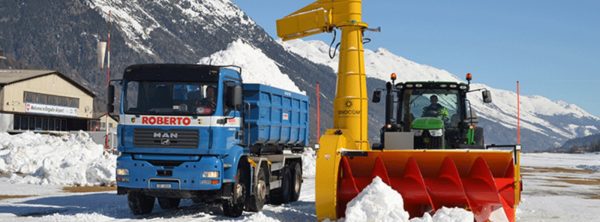
As cities worldwide continue to grow and winter weather becomes more unpredictable, efficient snow management has never been more crucial. Traditional snow removal methods, such as plows and blowers, often struggle to keep up with the demands of urban environments where space is limited, and rapid snow clearance is essential. Enter the Compact Snowcuber—Snocom’s latest innovation that is set to transform how cities manage snow. This machine is specifically designed to address the unique challenges of urban snow removal through its advanced snow compression technology, offering a solution that is both efficient and environmentally responsible.
The Compact Snowcuber is not just a smaller version of traditional snow removal equipment; it’s a complete rethinking of how snow should be managed in urban areas. Its design allows it to navigate tight spaces and densely populated regions where larger equipment simply cannot operate effectively. The Compact Snowcuber collects and compresses snow into dense blocks, reducing the volume of snow that needs to be transported or stored. This makes it an ideal choice for cities looking to maintain clear streets and sidewalks while minimizing the environmental impact and operational costs associated with snow removal.
In addition to its practical benefits, the Compact Snowcuber also represents a significant step forward in sustainable urban development. By reducing fuel consumption, emissions, and the need for large snow disposal sites, this machine helps cities achieve their environmental goals. For more details on how the Compact Snowcuber compares to other models in our lineup, such as the Snowcuber MK6, or to explore the technical aspects of snow compression technology, check out our dedicated product pages. With the Compact Snowcuber, cities can now stay ahead of winter, ensuring safer, cleaner, and more efficient urban environments.